
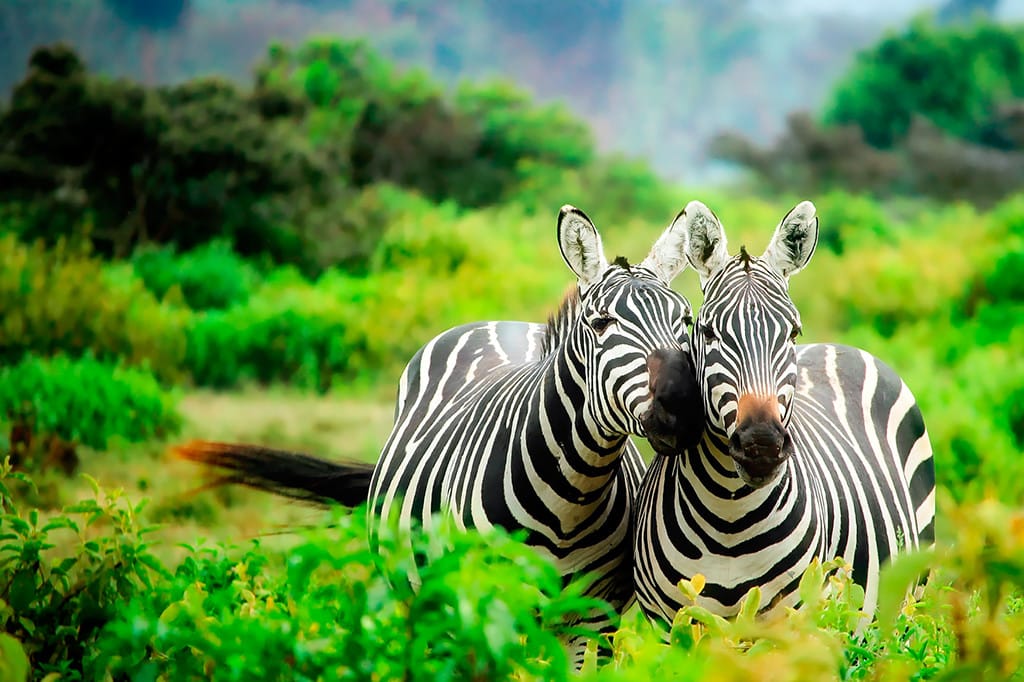
Kenya is one of the world’s most iconic wildlife destinations, renowned not only for its rich biodiversity but also for its stunning landscapes that provide the perfect backdrop for photography. A professional wildlife photography safari in Kenya is more than a traditional safari—it is a carefully curated journey that combines expert guidance, access to prime locations, and opportunities to capture extraordinary images of Africa’s majestic animals and dramatic scenery.
Why Kenya is a Premier Destination for Wildlife Photography
Kenya is home to over 70 national parks and reserves, each offering a unique photographic canvas. From the endless savannahs of the Maasai Mara to the rugged landscapes of Amboseli with Mount Kilimanjaro in the background, the country provides a variety of environments that suit all photography styles. Whether you are interested in close-up portraits of wildlife, wide-angle landscape shots, or dramatic action sequences of predator-prey interactions, Kenya’s diverse ecosystems deliver unparalleled opportunities.
The country’s wildlife diversity is equally impressive. Iconic species such as lions, elephants, leopards, buffalo, and rhinoceros—the “Big Five”—roam freely, alongside cheetahs, giraffes, zebras, hippos, and a myriad of bird species. These animals are often visible in open habitats, making them ideal subjects for photographers who want both clarity and drama in their images. Professional photography safaris focus on timing, lighting, and positioning, ensuring that photographers capture animals in natural and compelling settings.
Expert-Led Photography Experience
A hallmark of professional wildlife photography safaris in Kenya is expert guidance. These tours are led by experienced wildlife photographers or naturalists who understand both animal behavior and photographic techniques. Guides help identify the best times of day, optimal vantage points, and strategic positions for capturing high-quality shots while ensuring minimal disturbance to wildlife.
Photographers are often provided with specialized vehicles designed for photography, featuring pop-up roofs, swivel seats, and extra space for equipment. Early morning and late afternoon drives take advantage of the “golden hours,” when lighting is soft, warm, and ideal for creating dramatic images. Additionally, professional tours include tips on camera settings, lens selection, and composition to enhance every shot, making them suitable for both amateur and advanced photographers.
Iconic Locations for Wildlife Photography
A professional wildlife photography safari in Kenya often includes a carefully curated selection of parks and reserves:
- Maasai Mara National Reserve: Renowned worldwide for its savannah landscapes and predator-rich ecosystems, the Maasai Mara is ideal for capturing lions stalking prey, cheetahs in pursuit, and elephants moving gracefully across open plains. During the Great Migration (July–October), photographers witness dramatic river crossings and large herds of wildebeest and zebras, offering unparalleled action shots.
- Amboseli National Park: Famous for its large elephant herds and spectacular views of Mount Kilimanjaro, Amboseli provides opportunities for wide-angle shots and intimate portraits of wildlife against snow-capped mountains.
- Tsavo East and West: These vast parks feature red-soiled plains, volcanic landscapes, and baobab trees. Tsavo offers a variety of photographic subjects, including large predators, rare antelopes, and scenic landscapes that contrast strikingly with the animals.
- Samburu and Buffalo Springs: Located in northern Kenya, these arid regions are home to unique species such as the gerenuk, reticulated giraffe, Grevy’s zebra, and Somali ostrich. The distinctive vegetation and terrain create dramatic photographic compositions.
Professional photography tours often combine these locations to capture both iconic wildlife and Kenya’s diverse landscapes.
Seasonal and Lighting Considerations
Timing a wildlife photography safari is critical for capturing the best images. The dry season, from June to October, concentrates wildlife around water sources, making animals easier to locate and photograph. The wet season, from March to May, creates lush, vibrant landscapes and attracts migratory birds and other species, providing opportunities for colorful and dynamic shots.
Lighting is another key factor. Early morning and late afternoon drives take advantage of soft, warm light that enhances textures, colors, and shadows. Professional guides ensure photographers are positioned in optimal locations for natural light, reflections in waterholes, and dramatic skies, transforming every frame into a compelling visual story.
Accommodation and Safari Comfort
Professional wildlife photography safaris in Kenya balance adventure with comfort. Lodges and tented camps are often situated within or near parks to minimize travel time and maximize wildlife access. Accommodations offer modern amenities, including private decks, bird and wildlife viewing points, and dining options designed to allow photographers to rest and review their work in comfort.
Luxury tented camps provide immersive experiences, allowing photographers to wake up to the sounds of wildlife and step directly into prime photographic locations. Some camps even offer photographic hides or blinds, enabling close-up shots of animals without disturbing them. These thoughtful accommodations enhance both comfort and photographic opportunities.
Conservation and Ethical Photography
Ethical wildlife photography is a cornerstone of professional safaris in Kenya. Guides emphasize responsible behavior, including maintaining safe distances, avoiding animal disturbance, and respecting natural habitats. Many operators also support conservation initiatives, anti-poaching efforts, and community-based tourism programs. Photographers are encouraged to contribute positively by promoting awareness through their images, ensuring that the beauty of Kenya’s wildlife is preserved for future generations.
Planning Your Wildlife Photography Safari
A professional wildlife photography safari requires careful planning. Customized itineraries can range from 7 to 14 days, depending on the photographer’s goals and preferred locations. Packages often include private vehicles, expert guides, park fees, accommodation, and meals. Photographers should bring appropriate gear, including telephoto lenses, wide-angle lenses, tripods, and extra memory cards and batteries. Lightweight clothing, hats, and sun protection are also essential for comfort during long game drives.
Professional operators assist with logistics, ensuring smooth transitions between parks, optimal timing for wildlife encounters, and personalized guidance for capturing extraordinary images. This allows photographers to focus entirely on their craft and the wildlife experience.
Conclusion
A professional wildlife photography safari in Kenya is more than just a journey—it is a creative and immersive adventure into the heart of Africa’s natural wonders. With expert guides, carefully selected locations, diverse landscapes, and world-class wildlife, photographers have every opportunity to capture unforgettable images. From dramatic predator-prey action in the Maasai Mara to serene elephant portraits against Mount Kilimanjaro’s backdrop, every moment is crafted to inspire and enrich.
By combining luxury accommodations, ethical wildlife practices, and expert photographic guidance, Kenya offers a wildlife photography experience that is both extraordinary and responsible. For photographers seeking to capture the essence of Africa in every frame, a Kenya wildlife photography safari remains unmatched—a true testament to the beauty, diversity, and magic of the wild.