
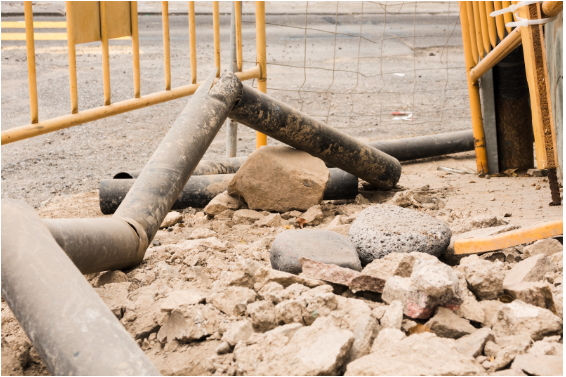
A water line break will cause significant damage to your house, require expensive repairs, and create major disruptions. The broken water lines create three problems: flooding, low water pressure, and structural damage until they are fixed. Most water line issues can be avoided through proper handling, consistent upkeep, and quick response to early warning signs.
This article will explore how to prevent a water line break to ensure your home’s safety.
Understand the Causes of Water Line Breaks
Water line break prevention requires understanding the factors which lead to this issue. Common causes of the problem include aging pipes, ground movement, temperature shifts, and excessive water pressure. Homes constructed before 1980 typically feature piping made from materials that deteriorate over time.
The underground water lines in your house are under increased pressure from soil movement and nearby construction activities. Knowledge of these causes enables homeowners to implement measures that will reduce risks before dangerous situations arise.
Monitor Water Pressure Regularly
Pipes experience gradual damage from high water pressure, increasing the likelihood of cracks and complete failures. Most houses lack the capacity to handle very high water pressure that persists for extended periods. A pressure regulator installation enables home water systems to maintain safe operating water pressure.
A plumber should assess your water pressure during a regular inspection. The safe pressure level maintenance system extends the operational lifespan of your water pipelines.
Protect Pipes from Temperature Changes
Pipes experience expansion and contraction movements when they face extreme weather conditions. The movement of pipes in cold weather causes cracks and pipe breaks in both exposed and underground piping systems. Pipes located in unheated spaces, such as basements, garages, and crawl spaces, should be insulated to prevent freezing. Letting faucets drip during winter hours will reduce pipe pressure, helping prevent pipe breaks.
Schedule Regular Plumbing Inspections
Preventing water line breaks depends on scheduled plumbing inspections, which help protect pipelines from failure. A plumber uses their professional skills to identify initial signs of pipe corrosion, leaks, and damaged pipe connections. Early detection of these problems enables repair work to begin before the situation worsens. The inspection process is especially important for properties that have aged or have shown past plumbing issues.
Avoid Chemical Drain Cleaners
Although harsh chemical drain cleaners appear effective, their use results in permanent pipe damage over time. The chemicals present in products create vulnerabilities that increase the risk of pipe leaks and breaks. Safer cleaning methods, which include enzyme-based cleaners and professional drain cleaning services, should be used instead. Protecting your pipes from chemical damage helps them maintain their original strength and lasting power.
Conclusion
Preventing water line breaks requires people to know their systems and to keep up with maintenance while addressing problems as they arise. Homeowners can minimize costly water damage through water pressure monitoring, pipe protection, scheduled inspections, and warning sign detection. The preventive measures you take today will create a reliable water system that provides safe service for years to come.