
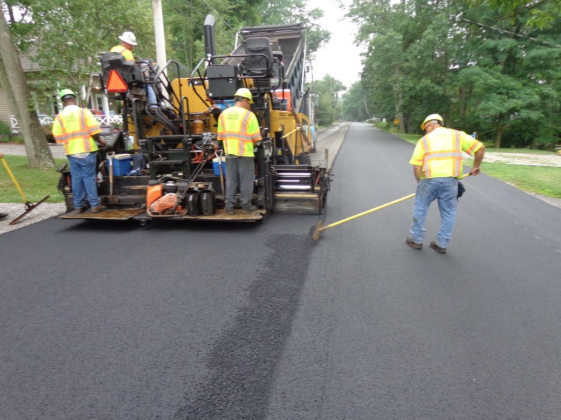
Construction sites are bustling places filled with activity. Heavy machinery moves constantly. Workers navigate uneven surfaces. Without careful planning, accidents can happen quickly. One essential solution is paving areas within the site. Properly paved paths and work zones reduce hazards and create smoother traffic flow. Even small improvements in surface quality can dramatically enhance safety and efficiency.
The Role Of Site Paving In Worker Safety
Site paving refers to creating firm, stable surfaces in construction zones. These surfaces can be asphalt, concrete, or compacted gravel. Paving prevents slips, trips, and falls, which are common causes of injuries. Workers can move more confidently, even in wet or muddy conditions. Vehicles and machinery also navigate more safely. In short, well-planned site paving is a foundational step in protecting everyone on site.
Accessibility Improvements Through Paved Surfaces
Uneven and unpaved areas can slow work and cause accidents. Paved surfaces improve accessibility for workers, vehicles, and equipment. Forklifts, trucks, and small vehicles can move without getting stuck or creating dust clouds. Emergency services can reach critical points quickly. Accessibility is no longer a barrier when site paving is implemented effectively, making the construction area safer and more efficient.
Reducing Maintenance Costs With Site Paving
Constant wear and tear can damage unpaved surfaces. Mud, loose gravel, and potholes need frequent repair. Paved areas require less ongoing maintenance and reduce downtime. Equipment also suffers less damage when operating on stable surfaces. Investing in site paving upfront saves money on repairs, keeps work flowing, and maintains a safer environment for everyone.
Traffic Management And Organization On Paved Sites
Construction sites can be chaotic. Clear, paved paths help organize movement and reduce congestion. Vehicles follow designated lanes, and workers can use safe walkways. Paving allows for better signage and markings. This organized flow minimizes collisions and confusion. By incorporating site paving, traffic management becomes easier and safety naturally improves.
Weather Resilience Through Site Paving
Rain, snow, or extreme heat can create dangerous conditions on unpaved surfaces. Paved areas resist erosion, standing water, and mud. Workers can perform their tasks without delays caused by weather. Equipment stays cleaner and functions more reliably. Ultimately, site paving ensures that construction activities continue safely, regardless of weather conditions.
Enhanced Productivity With Paved Construction Zones
Smooth, paved surfaces allow workers to move quickly and safely between areas. Equipment operates more efficiently without the delays caused by rough or muddy terrain. Material deliveries are faster, and tasks are completed on schedule. Paving reduces downtime and interruptions, directly boosting productivity. With site paving in place, construction teams can focus on work rather than navigating unsafe or uneven ground.
Conclusion
Safety and accessibility are critical in any construction area. Unpaved surfaces create hazards, slow work, and increase costs. By implementing site paving, sites become safer, more organized, and easier to navigate. Workers, machinery, and emergency services benefit from stable, accessible surfaces. In the end, investing in proper site paving is investing in safety, efficiency, and long-term success.